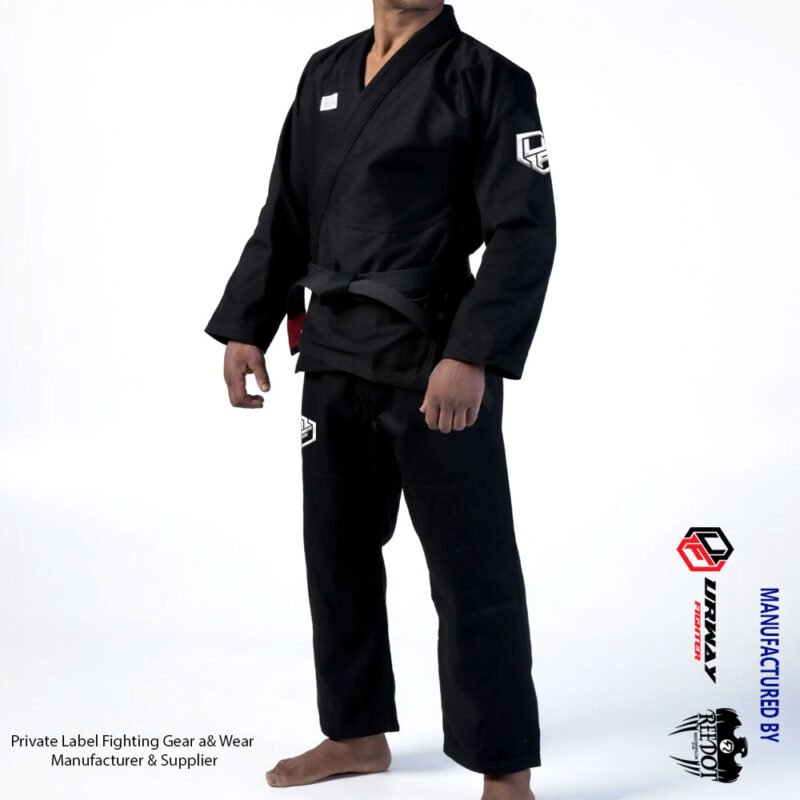
BJJ Gi Manufacturing
How to Choose the Right BJJ Gi Manufacturer
Nov
The quality of a Brazilian Jiu-Jitsu (BJJ) Gi plays a crucial role in an athlete’s performance, comfort, and overall training experience. Whether you’re launching a new BJJ brand, expanding your product line, or looking for a reliable supplier, choosing the right BJJ Gi manufacturer is one of the most important decisions you’ll make.
With countless manufacturers available worldwide, it’s essential to evaluate potential partners carefully. In this guide, we’ll discuss the key factors to consider when selecting the right BJJ Gi manufacturer for your business.
1. Assess the Manufacturer’s Experience
Experience matters in the combat sports industry. A manufacturer with years of experience producing BJJ Gis understands the technical requirements, competition standards, and durability expectations of practitioners.
When researching a manufacturer, ask:
- How long have they been producing BJJ Gis?
- Do they work with established BJJ brands?
- Can they provide examples of previous projects?
An experienced manufacturer is more likely to deliver consistent quality and valuable product development advice.
2. Evaluate Material Quality
The fabric used in a BJJ Gi directly impacts comfort, durability, and performance. Reputable manufacturers should offer various fabric options, including:
- Pearl Weave
- Gold Weave
- Single Weave
- Ripstop Pants
- Cotton Twill
Request fabric samples before placing a bulk order. Check the material’s weight, texture, shrinkage rate, and overall construction quality.
3. Check Stitching and Reinforcement
BJJ training places significant stress on uniforms. Poor stitching can result in torn seams and dissatisfied customers.
A quality manufacturer should provide:
- Reinforced stress points
- Multiple-row stitching
- Durable collar construction
- Strong pant drawstring systems
- High-quality thread
Ask for close-up photos or physical samples to inspect stitching quality.
4. Review Customization Capabilities
Your brand identity is what separates you from competitors. The right manufacturer should offer extensive customization options, such as:
- Custom embroidery
- Woven labels
- Sublimated lining
- Screen printing
- Rubber patches
- Custom packaging
- Private labeling
The more customization options available, the easier it will be to create unique products that represent your brand.
5. Understand Minimum Order Quantities (MOQs)
Manufacturers often have different minimum order requirements. Some may require 300+ pieces per design, while others support smaller startup orders.
Before committing, determine:
- Minimum order quantity per design
- Minimum order quantity per size
- Sample order availability
- Pricing for small versus large production runs
Choosing a manufacturer with flexible MOQs can help new brands manage inventory and cash flow more effectively.
6. Request Samples Before Bulk Production
Never place a large order without evaluating a sample first.
A sample allows you to assess:
- Fabric quality
- Fit and sizing
- Embroidery quality
- Color accuracy
- Overall craftsmanship
Testing samples with actual athletes or team members can provide valuable feedback before mass production begins.
7. Verify Production Capacity and Lead Times
Reliable delivery is critical for business success. Ask potential manufacturers about:
- Production capacity
- Average lead times
- Seasonal production delays
- Shipping methods
- Quality control procedures
A manufacturer that consistently meets deadlines can help you maintain customer trust and avoid stock shortages.
8. Review Quality Control Processes
Strong quality control ensures every Gi meets your specifications.
Look for manufacturers that perform:
- Fabric inspections
- Measurement verification
- Stitching inspections
- Final product reviews
- Packaging checks
A dedicated quality control system reduces defects and returns.
9. Consider Communication and Customer Support
Clear communication is essential throughout the manufacturing process.
Evaluate how quickly the manufacturer responds to inquiries and whether they can provide:
- Regular production updates
- Design assistance
- Sample feedback implementation
- Problem resolution support
A responsive manufacturing partner makes the entire process smoother and more efficient.
10. Compare Pricing Without Sacrificing Quality
While pricing is important, the cheapest option is not always the best. Low-cost manufacturers may compromise on materials, stitching, or quality control.
Instead of focusing solely on price, consider the overall value:
- Product quality
- Customization options
- Reliability
- Customer service
- Production consistency
A slightly higher investment often results in a superior product and stronger brand reputation.
Final Thoughts
Choosing the right BJJ Gi manufacturer is about more than finding the lowest price. The ideal partner should provide high-quality materials, reliable production, customization options, strong communication, and consistent quality control.
Taking the time to evaluate manufacturers thoroughly can help you build a successful BJJ brand and deliver products that athletes trust both on and off the mats.
If you’re looking for a trusted BJJ Gi manufacturer, prioritize quality, transparency, and long-term partnership potential. The right manufacturing relationship can become a key factor in your brand’s growth and success.
“`